
Saving the Black Cockatoo

Updated: Dec 14, 2025
Man of the Trees to the Rescue

In the southwest of Western Australia, three species of black cockatoos are in trouble. The Baudin and Carnaby Cockatoos, found nowhere else in the world, are joined by the Red-Tailed Black Cockatoo in a worrying decline, with some estimates suggesting their numbers are falling by about 7% every year.
Meet Clint Conner. He was born in Three Springs in the northern wheatbelt and as he grew up he shifted to the coast and developed a love of the ocean becoming a keen surfer.
In recent years he has moved to the jarrah forest area near Nannup and now says that his main interests and attachment lies in the great interior of the SW where he says he has discovered an environment of great richness, and a mission to help protect it.
Clint is employed three days a week as the Environmental and Sustainability Officer with the Nannup Shire. But such is his interest and commitment to all things wild that he has embarked on a largely self-funded project to better understand the specific habitats and resources black cockatoos rely on so we can better protect them.
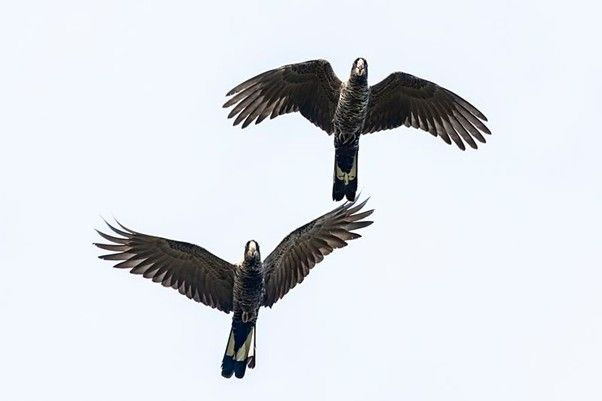
Habitat loss is the obvious culprit, with new developments and agriculture steadily eating into bushland. Conventional wisdom states that black cockatoos rely heavily on Jarrah-Marri forests to survive and prosper but Clint believes a more nuanced detail needs to be teased out, based on his personal observations of foraging habits.
His field observations suggest that during breeding season in the jarrah forest, the white-tailed cockatoos (Baudins and Carnabys) depend heavily on under the canopy banksia and Hakea, particularly the nectar-rich flowers and seed filled cones of Banksia grandis. He suspects this underappreciated seasonal food source could be an important element in the success of their breeding in the area.
To prove up his theory, Clint has initiated a GoFundMe drive to finance a three-year study that involves placing 18 audio recording devices across a large area of the forest in various target vegetation communities. The idea is that by recording their calls, he can build a clearer picture of how black cockatoos use different habitats for foraging throughout the year.

Clint said: ‘That what I want to do is tease out the seasonal foraging preferences of the black cockatoo. How often they visit these vegetation communities, how long they stay and if there are seasonal differences’.
The knowledge gained will not only shed light on what vegetation communities are critical for black cockatoos in the forest but also better inform future rehabilitation when looking to offset value for black cockatoos.
Land that may previously have been regarded as low value for rehabilitation for black cockatoos may in fact be valuable for supporting previously overlooked vegetation communities that offer important seasonal forage.
So why take this on alone? For Clint, the answer is urgency. ‘To get a study developed and off the ground through government departments and organisations can take years, getting bogged down in stakeholder meetings, applications and approvals. And time is something we don’t have. Working on my own, I can get things moving now with any funding going directly to on the ground effort. No overheads, no admin and no oncosts.
Driven by passion, not bureaucracy, Clint is giving the black cockatoos a fighting chance. Join the Fight! See how you can help as volunteer.


